By Greenville Catering March 20, 2026
Food is one of the most discussed aspects of any wedding. While all other aspects of your wedding, such as your wedding theme, wedding music, etc., may fade with time, your wedding menu is something that your wedding guests will always remember. A well-designed wedding catering menu is all about creating memories, evoking discussions, and taking your wedding to a whole new level.
Food is not just about serving something to eat; it is about creating a culinary experience that reflects your personality. Right from your wedding appetizers to your wedding desserts, every dish is a part of your wedding experience. If you take your wedding menu seriously, your wedding is bound to be a more personal, memorable, and enjoyable experience for all your wedding guests.
Table of Contents
Start with Your Wedding Vision and Theme

Every memorable menu starts with a vision. The wedding may be formal, rustic, modern, or even ethnic in nature. The food served will match the theme of the wedding. A beach wedding may have light dishes like seafood, while a traditional wedding may have the classic multi-course meal. The menu will be an extension of the wedding’s overall theme.
When the food served is in sync with the overall ambiance, the wedding will be a memorable experience. Couples will need to consider how they want their guests to feel. This will guide them in their decision. A good wedding theme will ensure that the food served is not random in nature. The food will blend in perfectly with the overall ambiance of the wedding.
Understanding Your Guest Preferences
A great wedding menu is one that takes into account all the people attending. This is because there is a variety of backgrounds, ages, and dietary preferences. Some people love traditional comfort foods, while others love adventurous cuisine. Knowing this is essential to creating a balanced menu that meets all needs.
Another thing to take into account is dietary restrictions such as vegetarian, vegan, gluten-free, or allergies. Providing these options ensures that all people feel included. Having a good menu doesn’t have to be complicated; it simply needs to be thoughtful. When all people feel their needs have been considered, they have a better time. Taking care of all people is what makes a good menu exceptional.
Choosing the Right Catering Style
The service style is an important factor in the overall experience of the menu. Plated dinners offer a formal and organized setting, while buffets offer a diverse and flexible option. Family-style service provides a cozy and communal setting in which guests may mingle.
Food stations offer a lively and interactive experience in which guests may explore different tastes. The service style will impact the selection and presentation of the dishes. For example, buffets require items that hold well over time, while plated meals focus on presentation and portion control. Selecting the right catering service will ensure that the menu not only tastes good but also complements the event. The service style will support the overall convenience and comfort of the guests.
Building a Balanced Menu
A memorable menu is one that is well-balanced in terms of taste, texture, and variety. It is also one that includes a variety of both light and heavy dishes, ensuring that the guests are not overwhelmed by any one type of food. Starters, main dishes, and side dishes must also complement one another, as opposed to overpowering one another.
For example, if the main meal is a heavy one, lighter appetizers can provide balance. The inclusion of a variety of meat, vegetable, and carbohydrate dishes ensures that everyone finds something they can enjoy. A well-balanced meal, in terms of flavors, is interesting from the beginning to the end. Balance is also about ensuring that the portions are sufficient, but not excessive, for the guests.
Incorporating Seasonal Ingredients
Seasonal food adds to the flavor and freshness of food. Using food that is in season during the wedding season will provide better flavor and quality. Seasonal food is also eco-friendly and will provide a more authentic experience.
For example, in summer weddings, seasonal food may include fruits and light food, and in winter weddings, seasonal food may include warm and comforting food. Seasonal food is also cost-effective and will provide better value for the money spent by the couple. The caterer may suggest food that incorporates seasonal food and will provide a more authentic experience by adding depth to the menu and providing a sense of seasonality.
Adding Personal Touches to the Menu
A wedding menu with personalization makes the event memorable. The couple can include dishes that are based on their personal background, favorite dishes, or shared experiences. For instance, the couple can serve the same meal they had on their first date, which makes the event memorable.
The food can be a personal touch, which makes the menu special instead of the usual generic menu. The guests find these personal touches appealing, as they are based on the story behind the event. The personalization makes the menu special, as the food is linked with the story of the couple’s journey. When the food is used as part of the storytelling, there is a deeper connection with the people attending the event.
Presentation Matters as Much as Taste
The appearance of food is as important as the taste. Presentation is the first impression that is given to the guests. It also affects the way they perceive the food. Presentations that are elegant and creative are important in making the dining experience exceptional. Even simple food can be given an elegant appearance.
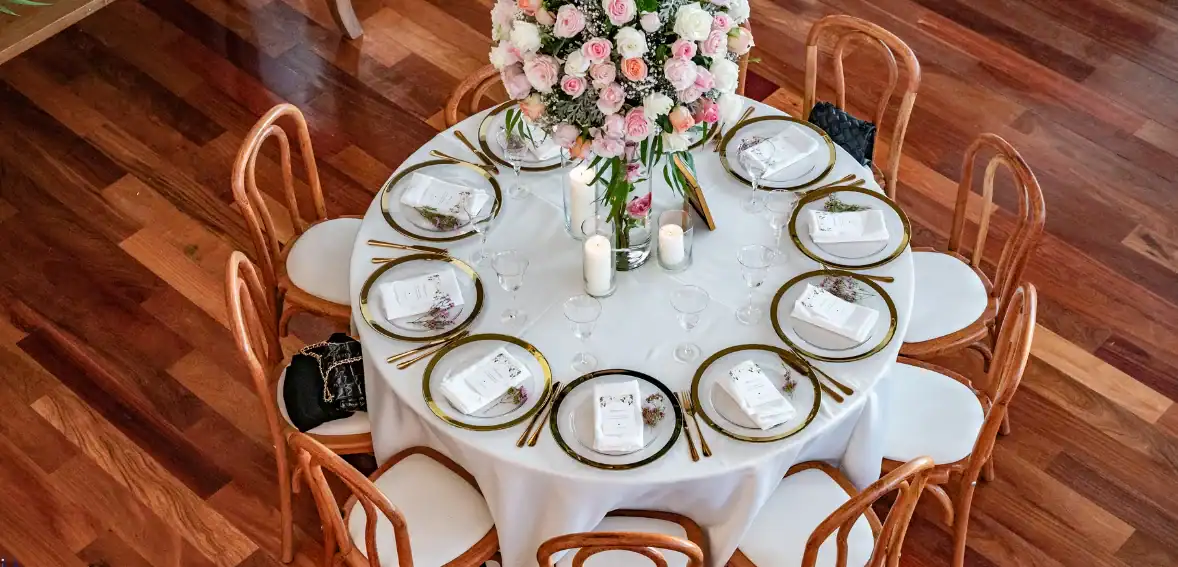
Food stations and buffets should be presentable and creative. Presentation also encompasses table settings and the overall layout. When everything is presentable and coordinated, the overall dining experience is professional. Guests may also remember the appearance of the food as much as they remember the taste. A visually appealing menu also makes the overall event sophisticated.
Managing Dietary Restrictions Gracefully
Dietary restrictions must be treated with care and respect. The guests may have their own reasons for not wanting to eat a particular food. They may have allergies, intolerances, or may be adhering to a particular lifestyle. The couple can work with the caterers and create dishes that cater to the guests’ dietary restrictions.
The dishes must be similar in presentation to the main dishes. This will ensure that all the guests have a similar experience. Ignoring the dietary restrictions of the guests may result in discomfort and dissatisfaction. This will affect the overall event. The guests will feel accommodated and will have a good time.
Creating Memorable Food Experiences

Interactive food experiences are a great way to make a wedding unique and memorable. Interactive food experiences include live cooking stations, build-your-own food stations, and themed food stations. Interactive food experiences allow guests to engage and have a memorable experience at a wedding.
Interactive food experiences include a dessert station that allows guests to create their own dessert. Interactive food experiences allow guests to have a unique and memorable experience by allowing food to become entertainment. Interactive food experiences allow guests to personalize their food experience, which increases satisfaction with the food provided at a wedding.
Planning Portions and Avoiding Waste
One important aspect that is often overlooked in wedding catering is portion planning. Too little food may result in a disappointing experience for guests, while serving too much may lead to wastage and increased costs. Experienced caterers will be instrumental in determining the amount of food to be served based on the number of guests, type of meal, and length of service.
A buffet may require a little more food than a plated meal to cater to varying serving sizes. It is also important to consider the order of events in a wedding, from the cocktail hour to dinner and finally dessert. Proper planning in this area will ensure that guests are well satisfied without being overwhelmed. It will also be beneficial in reducing wastage and enable the couple to save and divert funds to other important areas in the wedding.
Selecting the Right Caterer
The choice of the right caterer is vital for the success of the wedding dining experience. An experienced caterer does not just cook; they also help with the menu planning and the execution. For the wedding dining experience, couples should try to find a caterer who has experience with weddings similar to the idea they have.
Also, tasting sessions are vital for the couple. The couple needs to find a caterer who is responsive and understands their needs and requirements. The right catering service will help the couple make their ideas a reality. With the help of the right caterer, the couple can focus more on enjoying the wedding rather than the execution.
Timing the Meal Service Perfectly
Timing is an important factor in the overall experience of the guests with regard to the menu. The serving of the meals should be done at the right time in order to sustain the energy and interest of the guests. The time between the ceremony and the meal should not be too long, as it may cause discomfort.
At the same time, the time should not be too short so that the situation is not chaotic. The cocktail hour may be a good time to fill the gap between the ceremony and the meal. The right time will allow the guests to appreciate the different dishes served without feeling rushed. A well-timed meal will ensure that the event is progressing smoothly.
Designing a Standout Dessert Experience
Dessert is often the last experience that guests have of a wedding menu. While traditional wedding cakes are still a popular choice, there are a variety of creative ideas that couples are using for dessert at a wedding. Some ideas include a dessert bar, mini desserts, and themed desserts. Providing a variety allows guests to try different tastes and textures.
The display of the desserts is also important and adds a visually appealing element to a wedding. Late-night dessert ideas are a great surprise for guests and extend the party into the night. The choice of dessert must be in line with the theme and complement the meal that has been served. A well-thought-out dessert experience will leave a lasting positive impression with your guests and wonderfully conclude a meal.
Incorporating Beverages Thoughtfully
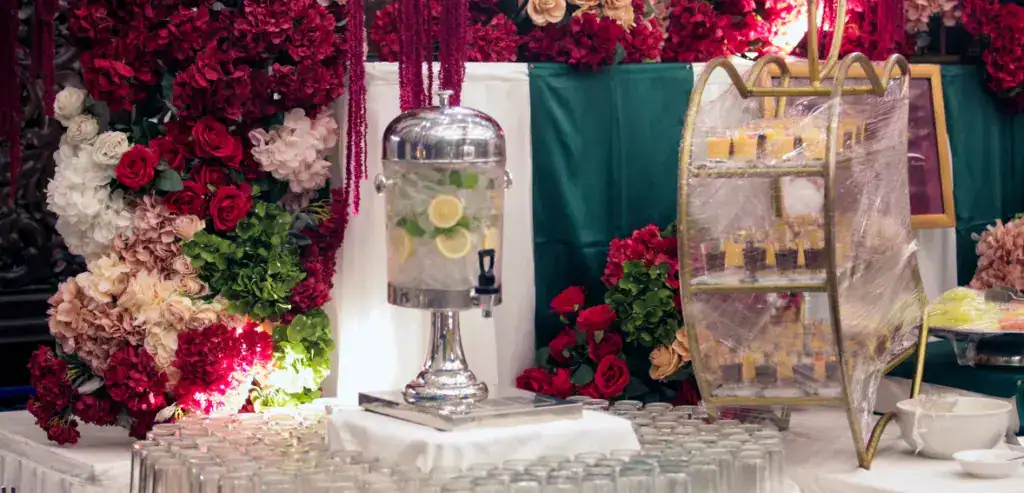
Beverages are an important part of the entire dining experience. Beverages include drinks served as the guest arrives and those served with the dinner. Beverages are an important part of the dining experience. Signature cocktails may also be included that represent the couple.
In the case of non-drinkers, the non-drinkable options should also be considered. There may also be stations for the drinks. The drinks may also be coordinated with the menu. This creates a harmonious dining experience. The drinks may also be coordinated with the menu. This creates a harmonious dining experience. Proper planning also ensures that there are no long waits.
Budgeting Without Compromising Quality
However, budgetary constraints are a reality for most couples planning their weddings. This does not mean that budgetary constraints have to affect the creativity in the menu planning. Strategic planning is essential in ensuring that couples have prioritized what is most important for them.
Investing in a few exceptional dishes while keeping others simple is an effective way of ensuring that couples have a memorable menu without breaking the bank. This ensures that couples have a premium menu without going beyond their budgetary constraints. Strategic planning is about value rather than quantity. This ensures that couples have a quality experience for their guests.
Conclusion
A wedding catering menu that leaves a lasting impression is one that, instead of just serving food, creates an experience that, in turn, relates to the couple getting married and the guests in attendance. There are several roles that planning, taste, and presentation take in the creation of the experience.
When the menu fits the theme of the wedding, the needs of the guests are met, and the personal touches are added, the experience leaves a lasting impression on the minds of the wedding attendees. The menu does not have to be fancy; it simply needs to be thoughtful, with attention paid to the taste as well as the experience, in order for the food to be one of the main topics of conversation during the celebration.
FAQs
How many dishes should a wedding menu include?
A balanced menu typically includes appetizers, one or two main courses, sides, and dessert.
Should I include vegetarian or special diet options?
Yes, always include options for dietary restrictions to ensure all guests feel included.
Is buffet or plated service better for weddings?
It depends on the theme; plated is formal, while buffets offer flexibility and variety.
How can I make my wedding menu unique?
Add personal dishes, signature drinks, or interactive food stations.
When should I finalize the catering menu?
Ideally, finalize your menu at least one to two months before the wedding.
Leave a Reply